Risk Management.
Singlepoint Risk Manager helps you proactively manage and mitigate risk through a structured, automated process. Assess and evaluate a wide range of potential risks, implement appropriate controls and maintain greater visibility over your risk profile.
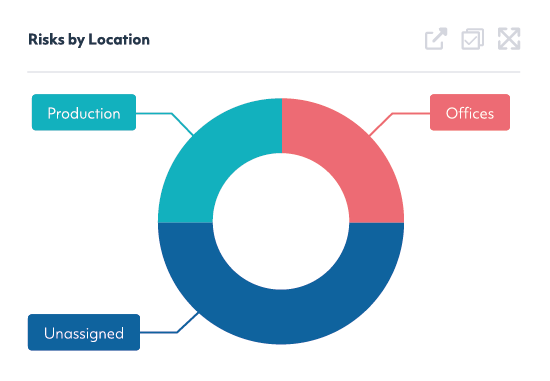
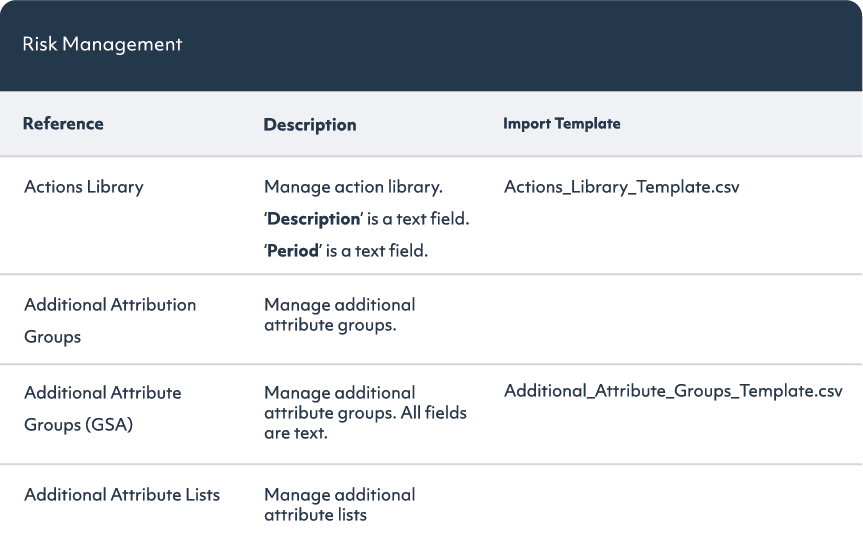
Take control of your risk management
With Singlepoint Risk Manager, you can take control of your organization's risk profile and maintain a structured approach to identifying, assessing and managing potential threats across your operations.
End-to-end visibility
Gain greater visibility into potential risks and the controls and actions used to address them. Singlepoint keeps risk information together, making it easier to understand your current risk profile and see where further action may be required. With clearer oversight of risks across your operations, you can maintain greater control over critical areas and make more informed decisions about where to focus your risk management efforts.
Decrease risk at every stage
De-risk key processes by identifying potential issues, applying appropriate controls and managing the actions needed to address them. Rather than treating risk assessment as a one-off exercise, Singlepoint helps you maintain visibility as risks and controls change over time. This supports a safer, more controlled working environment and helps prevent identified risks from being overlooked as processes progress.
Rapid risk evaluation
Singlepoint Risk Manager offers a fully automated approach to risk assessment, helping you easily and efficiently evaluate potential risks. Bring risk information into a structured process so teams can assess individual risks, understand their significance and determine the controls or actions required.
Support established risk management methods
Singlepoint Risk Manager is designed to support industry-standard risk management methodologies, giving teams a structured approach to identifying, evaluating and addressing risks. This helps you apply your chosen risk management methods consistently while maintaining the information, controls and actions associated with each individual risk.
Embrace continuous improvement
Unlike traditional stand-alone risk assessment documents, each risk record in Singlepoint is a "living" record. You can regularly assess and evaluate risks as processes or circumstances change, review the controls already in place and identify where further action is needed.
Seamlessly manage tasks
Singlepoint offers comprehensive task management with automatic notifications, reminders and escalation. Actions can be assigned to the appropriate team members and tracked through to completion, giving you clear visibility of outstanding work.
Turn risk data into insight
Singlepoint Risk Manager integrates with Singlepoint Business Intelligence, giving you greater visibility into the data generated through your risk management processes. Use real-time reporting to identify trends, recurring risks and areas where additional controls or improvements may be required.
Get our QMS fact sheet
Download our fact sheet to learn more about how Singlepoint’s quality management software can help you.
Our case studies
Surface Transforms: Document Control and Training Management
Thanks to Singlepoint, Surface Transforms has significantly upgraded their document control and safety processes. The software has catalysed a paperless revolution on the shop floor, instilling greater confidence in their operational practices.
Doncasters Trucast: Business Intelligence enhances efficiency
Singlepoint Business Intelligence has redefined data interaction for Doncasters Trucast, giving staff and managers instant insight into manufacturing performance
Fablink: NPI and APQP
Fablink redefines project management in the automotive industry with Singlepoint, gaining total visibility into NPI and APQP tasks
ZF: Document Control and Management
ZF revolutionises document management with Singlepoint, leading to significant time savings and risk reduction.
Teleflex: Customised complaints module enhances global operations
Senior Quality Engineer Tineke Soors praises Singlepoint for transforming Teleflex’s customer complaint handling, making it more efficient and transparent.

Pactrol: Customised workflows streamlining cross-border operations
Explore the journey of Pactrol Controls Ltd as they navigate the challenges of relocating manufacturing to Hungary while maintaining operational excellence.
United Language Group: Achieving global compliance with Competency Checker
Facing challenges with the new QMS standards, United Language Group successfully integrated the Competency Checker module alongside existing modules.
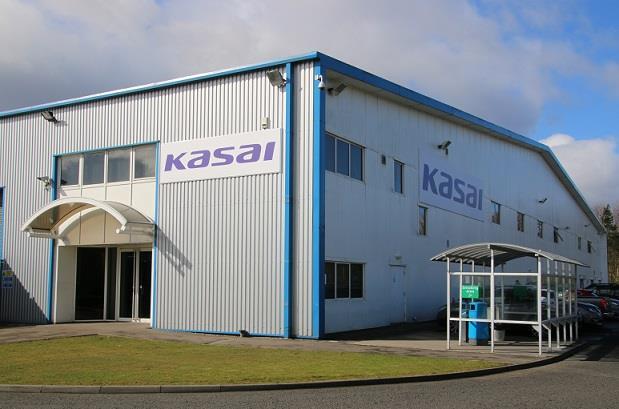
Kasai: Improving Engineering Change Processes
Kasai, a global front-runner in automotive interior and exterior manufacturing, faced challenges with its engineering change process that revolved around complex spreadsheets and scattered communications.
Metrol: Calibration Manager
Metrol Technology’s journey with Singlepoint’s Calibration Manager is a testament to the power of a single source of truth. Witness a transformation marked by efficient workflows, user empowerment and the unmatched versatility of Singlepoint.
Bandvulc: From disjointed audits to streamlined efficiency
Hitachi Rail Europe, Ltd. is a wholly owned subsidiary of Hitachi, Ltd. and a total railway system supplier offering rolling stock, traction equipment, signalling, traffic management systems and maintenance centres.
FAQs
What is RAMS (Risk Assessment Method Statement), and how does risk management software help create and manage them?
A Risk Assessment Method Statement (RAMS) combines a risk assessment with a method statement to document potential hazards, the controls in place and how work should be carried out safely. Risk management software can help teams create, approve, review and maintain these documents within a controlled process. It also provides greater visibility over reviews and actions, helping keep risk information current as requirements or working conditions change.
What is a risk register, and why can managing one in a spreadsheet create compliance risks?
A risk register records identified risks alongside information such as controls, owners and review dates. Managing this information in spreadsheets can create challenges around version control, visibility and accountability, particularly as the number of risks and users increases. Dedicated risk management software provides a more structured way to manage records, actions and reviews while maintaining traceability.
What is the difference between risk management software and a Governance, Risk and Compliance (GRC) platform?
Risk management software focuses on identifying, assessing, controlling and monitoring operational risks. A Governance, Risk and Compliance (GRC) platform typically covers a broader range of governance, enterprise risk and compliance activities. The right approach depends on your organization’s requirements and the scope of the risks and compliance processes you need to manage.
How does Singlepoint Risk Management work with incident management and audit management in an integrated EHS system?
Singlepoint Risk Management works alongside incident and audit management within the wider Singlepoint platform. Risks can be linked with incidents, audits, corrective actions and investigations, providing greater visibility across related Environment, Health and Safety (EHS) processes. This helps teams understand where controls may need to be reviewed and supports continuous improvement.
How does risk management software support ISO 45001:2018 clause 6.1 requirements for hazard identification and risk assessment?
It provides structured processes for identifying hazards, assessing risks, implementing controls, and maintaining records. This helps demonstrate a consistent and documented approach to risk management.
We are a manufacturer preparing for ISO 45001 certification and currently manage our risk assessments in spreadsheets. What would moving to dedicated risk management software change?
Moving from spreadsheets to dedicated risk management software centralizes risk assessments and provides structured processes for reviews, actions and reminders. It can improve visibility across risks, maintain a traceable history of activity and make it easier to identify outstanding actions. This also gives teams more accessible evidence of how risks are being managed when preparing for an ISO 45001 certification audit.