Risk Management.
Singlepoint Risk Manager is an innovative tool that empowers businesses to proactively manage and mitigate risks. With its fully automated workflow, this powerful solution allows you to easily assess and evaluate a wide range of potential risks, and to implement effective strategies.
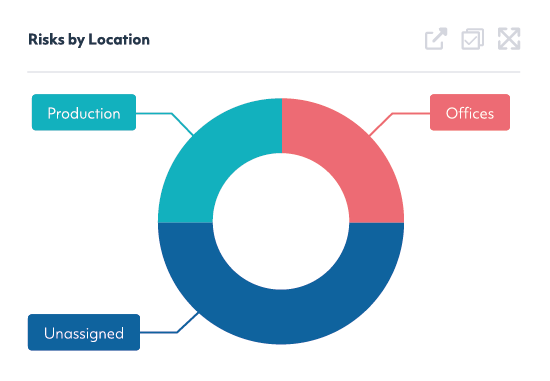
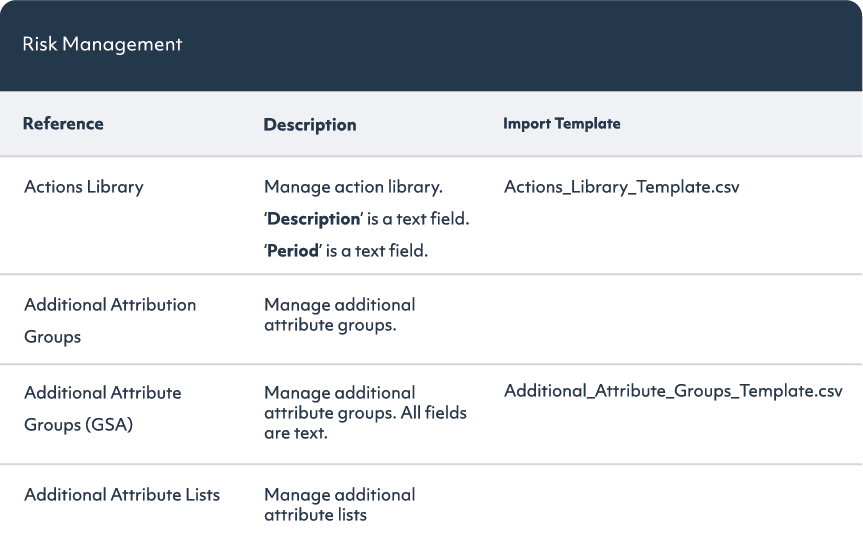
A new approach to managing risk
With Singlepoint Risk Manager, you can take control of your business's risk profile and protect your organisation from potential threats, helping you to focus on growing your business, rather than worrying about potential risks.
End-to-end visibility
With Singlepoint Risk Manager, you can gain visibility into potential risks and drive improvement by gaining a better understanding of those risks and the solutions that can help address them. By increasing visibility, you can also increase control over critical areas of your business, leading to decreased risk and improved performance.
Decrease risk at every stage
By de-risking key processes, you can create a safer and more profitable environment in which your people and processes can deliver their full value to the business. This will help you to maximise the potential of your organisation and achieve your business goals.
Rapid risk evaluation
Singlepoint Risk Manager offers a fully automated approach to risk assessment, helping you easily and efficiently evaluate potential risks.
Adapts to industry standards
The software is designed to embrace industry-standard management methodologies, providing you with a better understanding of your risks and the solutions that can help address them.
Embrace continuous improvement
Unlike traditional stand-alone risk assessment documents, each risk record in Singlepoint is a "living" record that you can regularly assess and evaluate, ensuring that you are always responding to risks with positive improvement.
Seamlessly manage tasks
Singlepoint also offers comprehensive task management with automatic notifications, reminders, and escalation, helping you to stay on top of your risk management efforts.
Turn risk data into insight
Singlepoint is fully integrated with Radar BI, providing you with the insights you need to identify areas for improvement and optimise your risk management process.
Get our QMS factsheet
Download our factsheet to learn more about how Singlepoint’s quality management software can help you.
Case studies
ZF: Document Control and Management
ZF revolutionises document management with Singlepoint, leading to significant time savings and risk reduction.
Teleflex: Customised complaints module enhances global operations
Senior Quality Engineer Tineke Soors praises Singlepoint for transforming Teleflex’s customer complaint handling, making it more efficient and transparent.
Pactrol: Customised workflows streamlining cross-border operations
Explore the journey of Pactrol Controls Ltd as they navigate the challenges of relocating manufacturing to Hungary while maintaining operational excellence.
United Language Group: Achieving global compliance with Competency Checker
Facing challenges with the new QMS standards, United Language Group successfully integrated the Competency Checker module alongside existing modules.
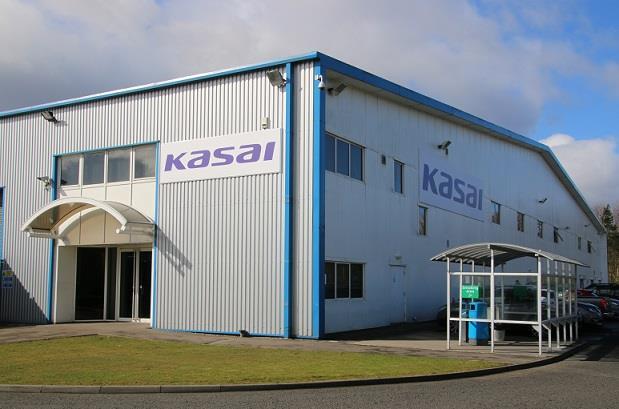
Kasai: Improving Engineering Change Processes
Kasai, a global front-runner in automotive interior and exterior manufacturing, faced challenges with its engineering change process that revolved around complex spreadsheets and scattered communications.
Metrol: Calibration Manager
Metrol Technology’s journey with Singlepoint’s Calibration Manager is a testament to the power of a single source of truth. Witness a transformation marked by efficient workflows, user empowerment and the unmatched versatility of Singlepoint.
Bandvulc: From disjointed audits to streamlined efficiency
Hitachi Rail Europe, Ltd. is a wholly owned subsidiary of Hitachi, Ltd. and a total railway system supplier offering rolling stock, traction equipment, signalling, traffic management systems and maintenance centres.
CooperVision: Transforming a manual complaint process
Discover how CooperVision transformed its customer complaint handling from a cumbersome manual ordeal into a dynamic, automated system with the integration of Singlepoint, boosting efficiency and visibility across the board.
KRG: Reduced costs and improved reporting with Singlepoint
As one of the UK’s top precision engineering firms, KRG Engineering faced steep administration costs that threatened its operational efficiency. Enter Singlepoint QMS, which, with its suite of advanced modules, transformed the firm’s approach.
NGF: A decade of support
NGF Europe Ltd are one of the world’s largest manufacturers of glass and glazing products for architectural, automotive and established creative technology markets.
FAQs
What is risk management software?
Why do I need risk management software?
Manual methods such as paper or spreadsheet based processes are slow, time consuming and error prone and they rarely, if ever, provide real insight into the true state of the process. Risk Management software will put you in total control of this critical process.
With Singlepoint’s Risk Management software, the best practice is built in, meaning nothing gets missed and the automated workflow execution means you’ll save time whilst rigorously applying the process to ensure full compliance and a safer working environment for staff, contractors and visitors.